How to Choose the Right Abrasive Cutting Machine for Your Application
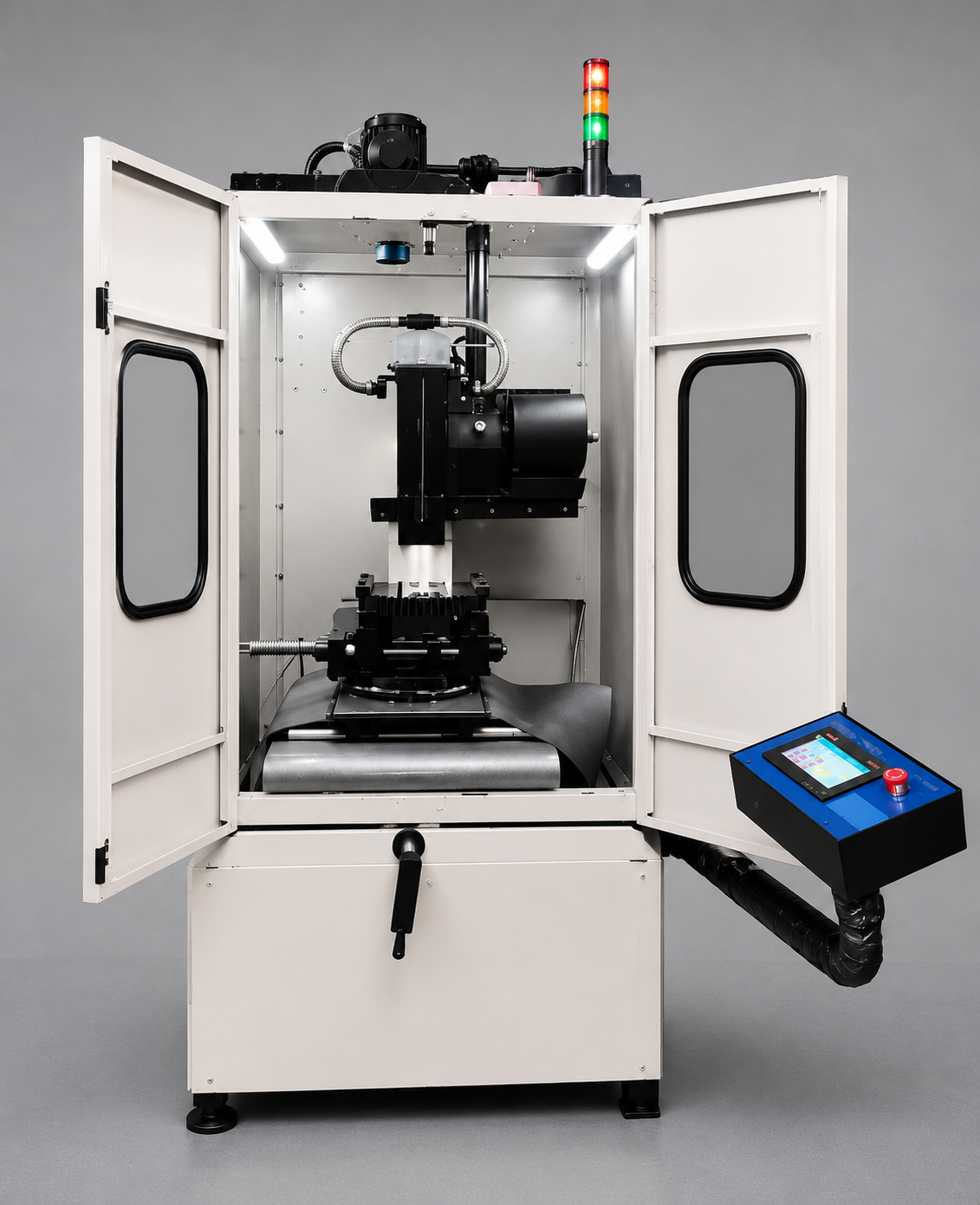
Abrasive cutting machines play a vital role in modern manufacturing, fabrication, metal processing, and engineering industries. These machines are designed to cut a wide variety of materials including mild steel, stainless steel, alloy steel, iron bars, pipes, tubes, and structural components. Selecting the right abrasive cutting machine is an important decision because it directly affects production efficiency, cutting accuracy, operating costs, and workplace safety.
Many industries invest in cutting machines without fully evaluating their actual requirements. As a result, they often face challenges such as reduced productivity, higher maintenance costs, and poor cutting quality. Understanding your application needs before purchasing a machine can help you maximize your investment and achieve long-term operational success.
Understand Your Material Type
The first step in selecting an abrasive cutting machine is understanding the type of material you need to cut. Different materials require different cutting capabilities. Stainless steel, carbon steel, alloy steel, aluminum, and cast iron all behave differently during the cutting process.
Harder materials generally require stronger motors, premium abrasive wheels, and heavy-duty machine construction. Before choosing a machine, analyze the hardness, thickness, and dimensions of the materials you process daily.
Evaluate Cutting Capacity
Cutting capacity refers to the maximum size of material that a machine can process. This includes pipe diameter, bar dimensions, and structural section sizes. A machine with inadequate capacity may struggle to perform efficiently and could reduce productivity.
- Round bar cutting requirements
- Pipe and tube dimensions
- Structural steel sections
- Thickness of material
- Future production expansion plans
Choose the Right Automation Level
Abrasive cutting machines are available in manual, semi-automatic, and fully automatic configurations. Manual machines are ideal for smaller workshops where production volumes are relatively low. Semi-automatic machines provide better productivity while maintaining operator control.
Fully automatic abrasive cutting machines are designed for high-volume manufacturing environments. These systems can significantly reduce labor dependency while improving consistency and cutting precision.
Motor Power and Performance
Motor power directly affects cutting speed and efficiency. Machines with higher horsepower ratings can process thicker and harder materials more effectively. Insufficient motor power often results in slower cutting, increased wheel wear, and reduced overall productivity.
For industrial applications involving continuous operation, investing in a machine with a powerful and energy-efficient motor is highly recommended.
Machine Construction Quality
The structural design of the machine influences cutting accuracy and durability. Heavy-duty fabricated steel construction minimizes vibration and ensures smooth operation. Strong machine frames provide greater stability during cutting and contribute to longer equipment life.
Look for machines equipped with robust bases, precision clamping mechanisms, and durable wheel guards. These features enhance safety and operational reliability.
Safety Features Are Essential
Cutting operations generate sparks, heat, and high-speed wheel movement. Therefore, safety should be a top priority. Modern abrasive cutting machines include emergency stop buttons, wheel protection guards, spark containment systems, and safety interlocks.
Investing in machines with advanced safety features protects operators, reduces accident risks, and helps organizations comply with workplace safety regulations.
Maintenance and Service Support
Maintenance requirements should always be considered before purchasing a machine. Easy access to spare parts, straightforward wheel replacement, and reliable technical support can significantly reduce downtime and improve long-term performance.
Partnering with an experienced manufacturer ensures that your machine remains productive throughout its service life. Good after-sales support often becomes one of the most valuable aspects of your investment.
Long-Term Value Over Initial Cost
While price is an important factor, businesses should focus on overall value rather than initial cost alone. A high-quality abrasive cutting machine may require a larger investment upfront, but it often delivers greater reliability, lower maintenance expenses, and better production efficiency over time.
The right machine can improve productivity, reduce material waste, enhance cutting accuracy, and support future business growth.
Conclusion
Choosing the right abrasive cutting machine requires careful evaluation of material type, cutting capacity, automation requirements, motor power, machine construction, safety features, and maintenance support. Every manufacturing operation has unique requirements, and selecting equipment that aligns with those needs can significantly improve operational performance.
Whether you operate a fabrication workshop, engineering unit, or industrial manufacturing facility, investing in the right abrasive cutting machine will help you achieve higher productivity, superior cutting quality, and long-term profitability.
Benefits of Automatic and Semi-Automatic Abrasive Cutting Machines
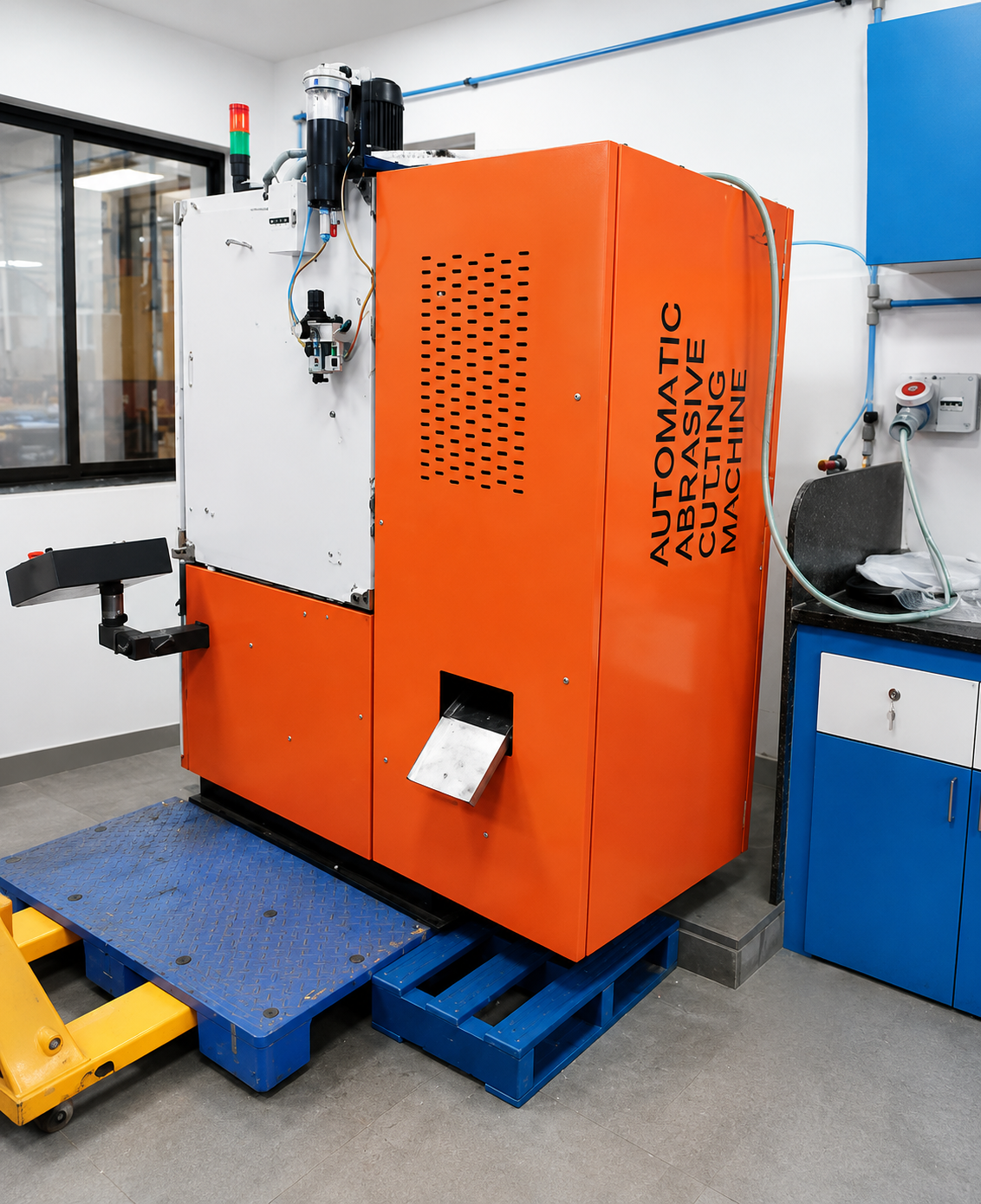
In today's competitive manufacturing environment, industries continuously seek solutions that improve productivity, reduce operational costs, and maintain consistent product quality. Abrasive cutting machines have become an essential part of metal fabrication, engineering workshops, automotive manufacturing, construction projects, and industrial production facilities. Among the various options available, automatic and semi-automatic abrasive cutting machines have gained significant popularity due to their ability to deliver accurate, efficient, and reliable cutting performance.
Traditional manual cutting systems require constant operator involvement, making them less efficient for high-volume production. Automatic and semi-automatic machines address these challenges by integrating advanced control systems, automated feeding mechanisms, and precision cutting capabilities. These features help businesses improve workflow efficiency while maintaining high standards of quality and safety.
Understanding Automatic and Semi-Automatic Cutting Machines
Semi-automatic abrasive cutting machines combine manual operation with automated functions such as hydraulic clamping, controlled feeding, or automated cutting cycles. These machines allow operators to maintain control while reducing repetitive manual effort.
Automatic abrasive cutting machines take automation a step further by handling material feeding, positioning, cutting, and cycle repetition with minimal operator intervention. They are specifically designed for large-scale industrial production environments where speed and consistency are critical.
Increased Production Efficiency
One of the most significant benefits of automatic and semi-automatic abrasive cutting machines is their ability to increase production efficiency. Automated cutting cycles reduce downtime between operations and allow continuous processing of materials.
Since the machine performs repetitive tasks automatically, operators can focus on monitoring production quality and managing multiple processes simultaneously. This leads to higher throughput and better utilization of resources.
Consistent Cutting Accuracy
Precision is a critical requirement in modern manufacturing. Manual cutting methods often depend heavily on operator skill, which can result in variations between cuts. Automatic and semi-automatic systems provide repeatable accuracy through controlled cutting parameters.
Consistent dimensions help reduce material wastage, minimize rework, and improve overall product quality. Industries dealing with precision components particularly benefit from these capabilities.
Reduced Labor Dependency
Labor shortages and rising workforce costs have encouraged many manufacturers to adopt automation. Automatic abrasive cutting machines significantly reduce the need for constant operator involvement.
By automating repetitive cutting tasks, businesses can optimize workforce allocation and improve productivity without increasing labor costs. This creates a more efficient manufacturing environment while reducing operator fatigue.
Enhanced Operator Safety
Safety remains a top priority in industrial operations. Abrasive cutting involves high-speed rotating wheels, sparks, heat generation, and heavy materials. Automatic and semi-automatic machines incorporate advanced safety features designed to protect operators.
- Emergency stop systems
- Protective wheel guards
- Automatic clamping mechanisms
- Safety interlocks
- Spark containment systems
These safety measures reduce workplace risks while ensuring compliance with industrial safety standards.
Improved Material Utilization
Material costs represent a significant portion of manufacturing expenses. Inaccurate cuts can result in wasted material and increased production costs. Automated cutting systems improve material utilization by maintaining precise cutting lengths and reducing dimensional variations.
Better material optimization translates directly into cost savings and improved profitability, particularly for high-volume production environments.
Faster Processing Speeds
Automatic cutting systems are engineered to operate at optimized speeds while maintaining cutting quality. Automated feeding and positioning eliminate delays associated with manual handling.
Faster processing enables businesses to meet tight production schedules, improve order fulfillment rates, and increase overall manufacturing capacity.
Lower Operating Costs
Although automatic and semi-automatic machines may require a higher initial investment, they often deliver lower operating costs over time. Reduced labor requirements, improved material utilization, and higher productivity contribute to long-term cost savings.
Businesses frequently experience a strong return on investment due to increased operational efficiency and reduced production expenses.
Versatility Across Applications
Modern abrasive cutting machines are capable of handling a wide range of materials and component sizes. They can be used for cutting pipes, tubes, bars, structural sections, stainless steel, alloy steel, and many other industrial materials.
This versatility makes them suitable for numerous industries, including automotive manufacturing, fabrication workshops, construction projects, aerospace components, engineering industries, and metal processing plants.
Reduced Machine Downtime
Advanced machine designs focus on reliability and ease of maintenance. Automated systems often include features that simplify wheel replacement, lubrication, and routine servicing.
Reduced downtime helps maintain continuous production and improves overall equipment effectiveness. Reliable performance ensures that manufacturers can meet customer deadlines without interruptions.
Better Quality Control
Quality control becomes easier when cutting parameters remain consistent. Automated machines maintain uniform cutting speed, feed rates, and wheel positioning throughout the production cycle.
This consistency results in superior surface finishes, accurate dimensions, and improved product quality. Businesses can maintain higher standards while reducing inspection and rework requirements.
Scalability for Future Growth
As businesses expand, production demands often increase. Automatic and semi-automatic abrasive cutting machines provide scalability that supports future growth. Their ability to handle larger production volumes makes them a valuable long-term investment.
Manufacturers can increase output without significantly increasing labor costs, helping them remain competitive in rapidly evolving markets.
Environmental and Energy Benefits
Many modern cutting machines incorporate energy-efficient motors and optimized operating systems. These technologies reduce power consumption while maintaining high cutting performance.
Improved efficiency not only lowers operating costs but also supports sustainability initiatives by reducing overall energy usage and material waste.
Conclusion
Automatic and semi-automatic abrasive cutting machines offer numerous advantages for modern manufacturing operations. From increased production efficiency and cutting accuracy to improved safety and reduced labor dependency, these machines provide substantial value across a wide range of industrial applications.
Whether you operate a fabrication workshop, engineering company, or large-scale manufacturing facility, investing in advanced abrasive cutting technology can significantly improve productivity, product quality, and long-term profitability. As industries continue to embrace automation, automatic and semi-automatic cutting machines will remain essential tools for achieving operational excellence and sustainable business growth.